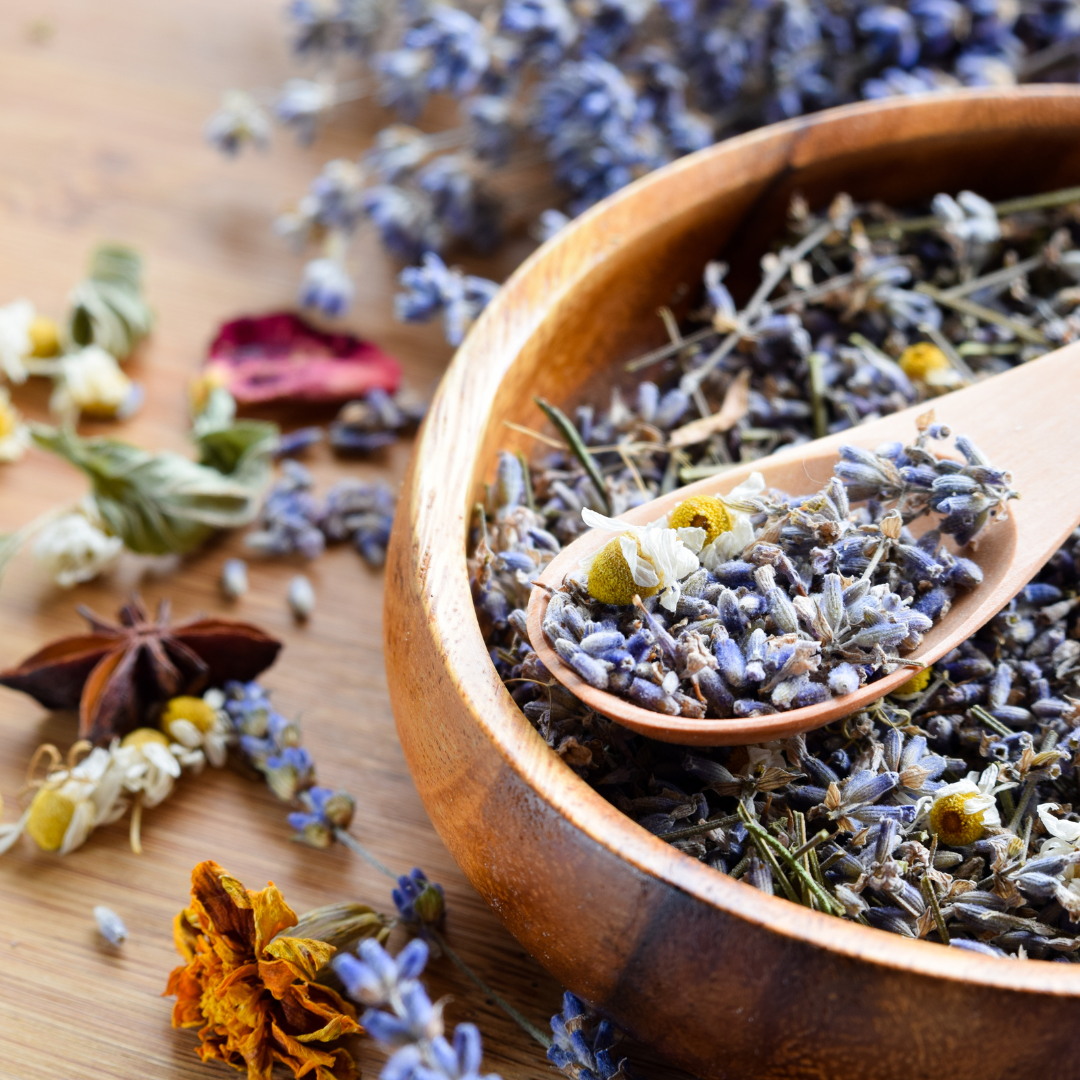
The Botanical Wellness Movement: A Cultural History
Botanical wellness isn’t new. Lavender bundles hung in Greek bedrooms 2,500 years ago. Chamomile was prescribed in 16th-century English botanicals. Damiana made its way from Mexican folk medicine into Victorian apothecaries. What’s new is the design-forward consumer culture growing up around these practices.
From folk knowledge to ritual design. For most of history, botanical use was passed down — grandmother to granddaughter. The 20th century industrialized away from that. The wellness movement of the 2010s started reversing course. Adaptogens, nervines, terpenes — the vocabulary expanded again.
Why this generation cares. Digital-era burnout pushed people toward grounding practices. Cultural skepticism of one-size-fits-all pharma created space for personalized rituals. A luxury aesthetic emerged that treated botanical practice as a craft.
The new accessories category. Brass scoops, ceramic vessels, precision-machined heat exchangers. The product category itself became a marker of intent.
What’s next. Research continues to validate what folk knowledge always suggested — specific plant compounds interact precisely with our nervous systems. The future looks less like a counterculture and more like a quiet daily discipline.
We design for the people who treat their evening session the way others treat their morning coffee — as a ritual worth doing well.